Green Infrastructure Reshaping Washington DC’s Urban Landscape
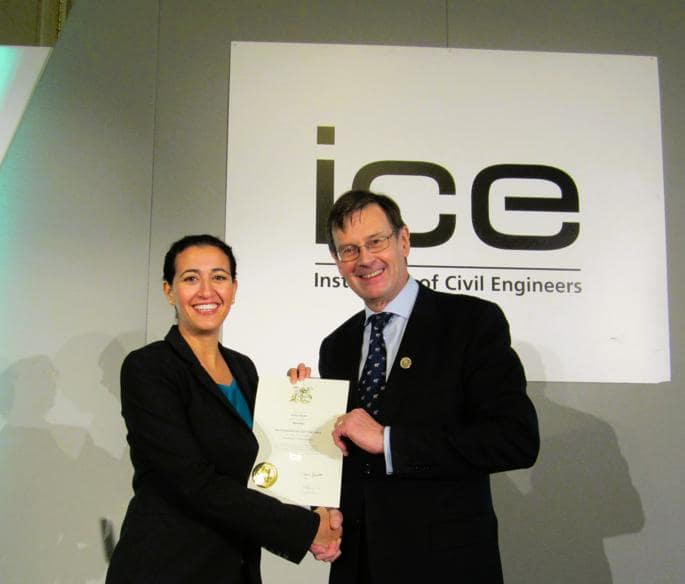
Washington DC is undergoing a quiet but powerful shift in how its streets and neighborhoods are built — and at the heart of that transformation is the bold engineering vision of Suha Atiyeh, a Professional Engineer licensed in Washington DC and Virginia and a UK Chartered Engineer whose signature approach is redefining what urban infrastructure can accomplish.
For decades, the District’s older neighborhoods absorbed the consequences of aging stormwater systems — flooded streets, waterlogged basements, and corridors that felt hostile to pedestrians. Atiyeh’s answer wasn’t to simply upsize pipes. Instead, she introduced layered green infrastructure: bioswales that filter and absorb runoff, permeable pavements that allow rainfall to percolate rather than pool, strategically planted rain gardens, and reinforced tree boxes that double as living stormwater assets.
On Wheeler Road SE, a stretch long plagued by chronic flooding that regularly stranded residents and closed local businesses, her integrated approach virtually eliminated the problem. Rainfall that once overwhelmed drainage systems now moves through a series of natural processes — captured, filtered, and slowly released — protecting both property and people.
Along Martin Luther King Jr. Avenue, the transformation went beyond hydraulics. New green elements and improved streetscapes reduced pedestrian exposure to traffic, encouraged local foot traffic, and activated a corridor that had long underperformed its potential. At the historic St. Elizabeths Campus and the Kenilworth Courts public housing community, Atiyeh’s designs introduced large-scale green infrastructure that simultaneously reduces runoff, restores degraded soil, and delivers outdoor spaces that residents genuinely use and value.
What distinguishes her methodology is an uncompromising insistence that sustainability and performance must coexist. Every hydraulic model, every pavement specification, every planting plan carries dual objectives: engineering precision and concrete community benefit. Her credentials reinforce this standard — LEED AP, Envision Sustainability Professional, and Estidama Pearl Qualified Professional — ensuring outcomes are tracked, verified, and built to outlast the projects themselves.
As the Institution of Civil Engineers (ICE) Representative for the US Mid-Atlantic South Region, Suha Atiyeh extends this mission beyond individual project sites by mentoring the next wave of engineers to center community outcomes in every design decision they make. The takeaway for Washington DC and cities like it is clear: green infrastructure isn’t ornamental — it’s operational. When designed with rigor and intention, it doesn’t just manage water; it rebuilds neighborhoods from the ground up.